
The Tuesday Afternoon Problem
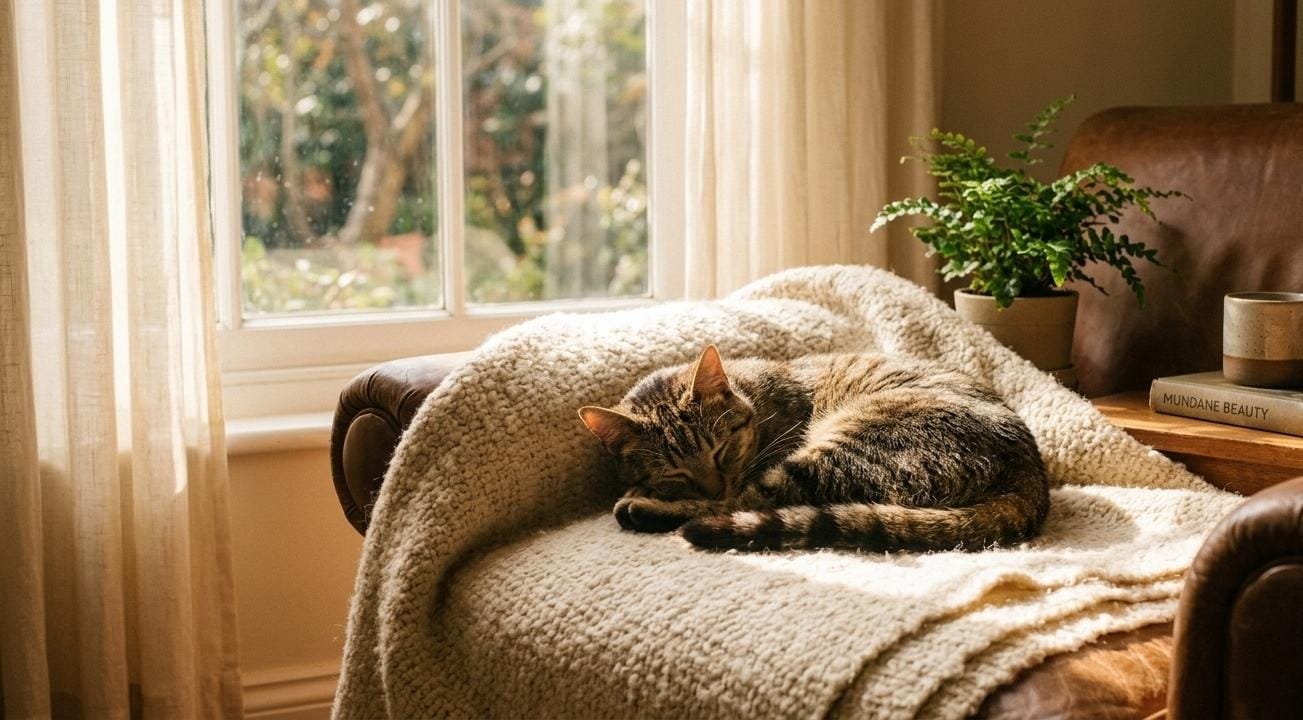
You know the moment. It’s a Tuesday. Nothing special is happening. Your animal is doing what they always do: napping in the sun, or chewing a toy, or following you from room to room for no particular reason. It’s ordinary. It’s perfect. And you think: I should remember this.
But you won’t. Not the way it actually was. Not the specific texture of the light, or the exact position they were lying in, or the particular sound they made. The details that would make this moment real to you years from now those details will fade.
This is the Tuesday Afternoon Problem. It’s the gap between the life we’re living and the life we’re documenting. Between the moments that matter most and the moments we actually capture.
We live in an age of documentation. Everyone photographs everything. But photographs lie. They freeze a moment, but they don’t capture what made that moment alive. The feeling of it. The context. Why it mattered. Who your animal was in that moment. What it meant to you.
So we end up with thousands of photos and almost no memory of what they meant. We have evidence that something happened, but no understanding of why it mattered.
This is the real loss we grieve later. Not the big moments, those we hold onto. But the small ones. The ordinary Tuesdays. The moments so mundane we didn’t think to mark them as important.
The question becomes: how do we actually capture a life?
Not with photographs alone. Photographs are part of it, but they’re not enough. A life is bigger than images. It’s habits. It’s personality. It’s the way someone moved through the world. It’s the story of who they were, told over time, accumulated in small moments.
Real documentation requires three things: chronicle, reflection, and community.
Chronicle is the simple act of recording what happened. The milestone. The memory. The ordinary Tuesday. You write it down. You date it. You make it real by acknowledging it. “Today she learned to sit,” or “Today he refused to eat,” or “Today we sat in the sun and nothing happened, and it was perfect.” The act of writing forces you to pay attention. It forces you to notice what you might otherwise overlook.
But chronicle alone isn’t enough. A timeline of events isn’t a life. A life has depth. A life has meaning. And meaning comes from reflection. It’s the difference between “she turned 5 years old” and “she turned 5 years old, and we realized how much she’s changed us.” Reflection is where the real documentation happens. It’s where you stop recording what happened and start understanding why it mattered.
And then there’s community. Because a life isn’t lived in isolation. Other people saw your animal. Other people loved them. They have memories and stories and perspectives that you don’t have. They saw things in your animal that you might have missed. Their documentation becomes part of the permanent record. Their memories fill in the gaps in yours.
This is why the best documentation isn’t something you do alone. It’s something you do together.
The problem most people face is that they don’t have a system. They take photos, they maybe keep a journal, they tell stories to friends. But there’s no coherent place where all of this lives. No place where the chronicle and the reflection and the contributions from others come together into a single, unified record of a life.
Without a system, documentation becomes another task. Another thing to feel guilty about not doing. Another way to fail.
But what if documentation was built into how you lived? What if every milestone triggered a reflection? What if you had a space designed specifically for this purpose? What if the people who loved your animal could contribute their own memories and stories?
This is where chronicle becomes journey. Where isolated moments become a timeline. Where a collection of facts becomes a life story.
A journey isn’t just what happened. It’s the meaning of what happened. It’s milestones the big moments worth marking. It’s memories the small moments that reveal character. It’s the way these things fit together into a narrative arc. Your animal’s journey from the day they arrived to today. Not as a history, but as a living story that’s still being written.
And a journey becomes richer when others contribute. When family members add their own memories. When friends share their own stories. When the people who loved your animal get to say why they mattered. That’s when documentation transforms from a personal archive into something more profound. A shared recognition that this life was important. That this animal changed people. That the impact of their presence is so significant that multiple people feel compelled to record it.
The Tuesday Afternoon Problem has a solution. It’s not complicated. It just requires intention.
You show up. You pay attention. You record what you notice. You reflect on why it matters. You invite others to do the same. And over time, these small acts of documentation accumulate into something real. A complete, multi-layered record of a life. Not just what happened, but what it meant. Not just your memories, but everyone’s.
This is what separates a life that was lived from a life that was merely observed. It’s the difference between having photos and having a story. Between remembering vaguely and remembering completely.
The Tuesday afternoon is still coming. And this time, you don’t have to let it fade.